Hold the Door Zombie Defense How to Beat Bosses in Hold the Door
Rusty Queen on Mine Medium and general boss prep—focus fire, door HP, and wave timing.
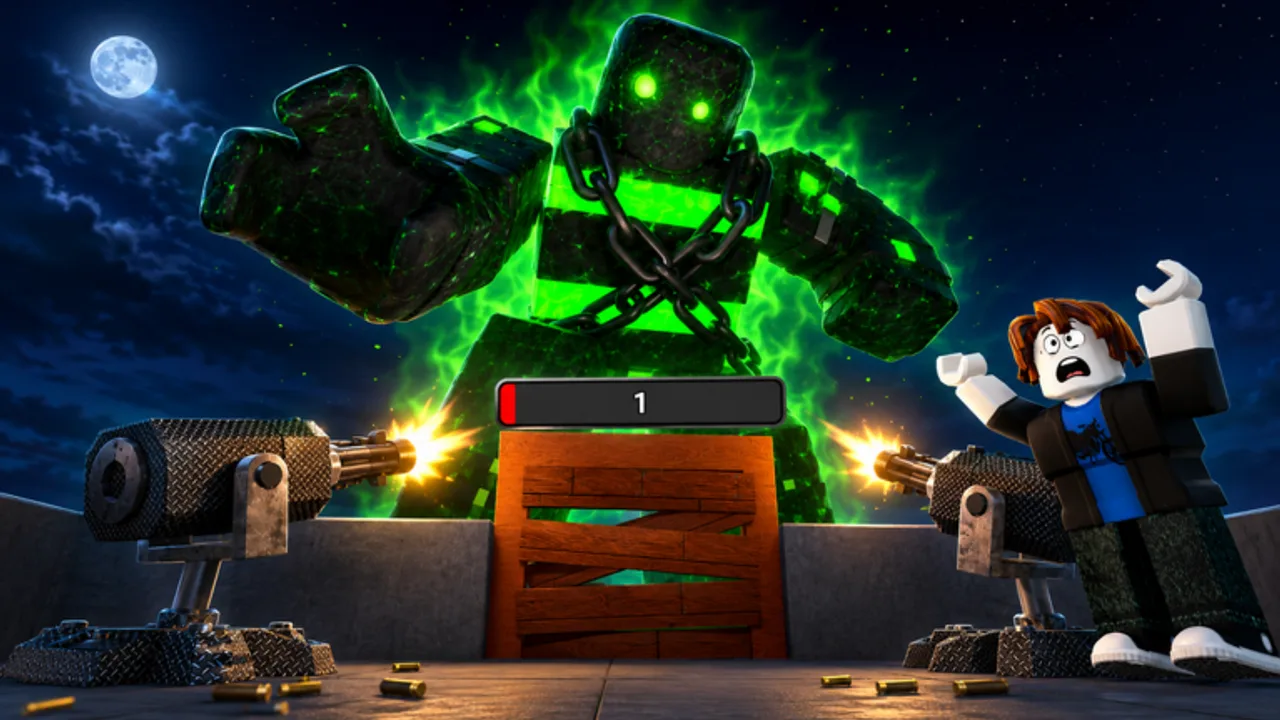
Standard waves in Hold the Door: Zombie Defense teach economy and placement; boss waves test whether your team built a complete defense or a glass cannon. Bosses hit harder, absorb more damage, and often spawn adds that leak past distracted players. The community’s flagship example is Rusty Queen on Mine Medium—a fight where door HP management and single-target boss damage matter more than spamming cheap early towers. This guide explains universal boss rules, then walks Rusty Queen prep step by step.
If you have not cleared Easy maps or stabilized economy basics, read Getting Started first. Boss guides assume you already know when to repair the door versus expanding unit slots.
What makes boss waves different
Boss phases change three variables at once:
- Effective HP pool — you cannot rely on splash alone; you need sustained single-target damage.
- Door pressure — bosses and their adds chip the objective even while you focus fire.
- Time stress — long fights drain repair resources and mental bandwidth for leak checking.
Treat every boss announcement as a clock. The waves before the boss are preparation; the boss itself is execution. Players who shop aggressively during the fight usually lose door percentage they never recover.
Universal boss prep checklist
Run this list two waves before any named boss, including Rusty Queen:
- Door HP at safe levels — repair or upgrade if below your comfort threshold; see door guidance in Getting Started.
- At least one single-target boss damage setup online and upgraded—not buried behind splash towers on the wrong choke.
- Splash or AoE coverage still active for adds so you are not forced to retarget constantly.
- Slow or support placed where the boss path intersects regular spawn routes, extending focus-fire windows.
- Open unit slots or income reserve for emergency repair, not experimental unlocks mid-fight.
- Camera preset showing door bar and boss lane—Controls covers camera habits.
In 25-player lobbies, assign one player to door callouts and one to boss DPS timing per Team Play. Solo players must rotate attention: five seconds of ignored door HP can end Mine Medium even with strong DPS.
Focus fire and target priority
Focus fire means stacking single-target damage on the boss while splash handles trash. Switching targets late wastes burst phases—especially when Rusty Queen moves through overlapping paths on Mine.
Priority order during Rusty Queen:
- Boss while in primary kill lane and door is above critical HP.
- Adds only if they will reach the door before splash kills them.
- Return to boss immediately after add spike clears.
Mark the boss lane during prep with your highest single-target upgrades. Cheap early towers can stay on side paths; boss damage belongs on the longest sightline toward the door.
Door HP management during bosses
Boss fights are not DPS checks alone—they are door survival checks. Rusty Queen phases often coincide with add waves that bypass players staring at the boss model.
Rules of thumb:
- Start the boss above 50% door HP on Medium unless you are speedrunning with a coordinated team.
- Keep one repair click or upgrade ready before the boss spawns, not after the first slam.
- If door HP crosses your team’s danger line, pause luxury upgrades and fund repair—even if the boss is at 30%.
- After the boss dies, immediately check door HP before celebrating; post-boss cleanup waves kill tired lobbies.
Door upgrades purchased early in the run pay compound interest here. If you skipped door investment to rush flashy unlocks, Rusty Queen will punish that on Maps with tight lanes like Mine.
Rusty Queen on Mine Medium
Mine Medium is the map most players associate with Rusty Queen. Tunnels create strong chokepoints but also hide leaks; boss pathing uses those same lanes, so placement discipline matters.
Pre-boss setup on Mine
- Establish cheap early towers at the first intersection to stabilize routine waves.
- Add splash before wave density spikes; Mine clusters zombies in curves.
- Unlock single-target boss damage before mid-run—do not wait for the announcement.
- Place slow or support where Rusty Queen will overlap add routes.
- Visit door menu between waves; Mine chip damage adds up silently.
During Rusty Queen
When Rusty Queen spawns, confirm splash is clearing adds without manual babysitting. Stack single-target fire on the boss segment with the longest exposure. If teammates are present, call “adds left” or “door check” instead of everyone retargeting randomly—see Team Play.
If the door dips into danger:
- Assign or self-handle repair immediately.
- Keep one splash tower covering the add lane—do not sell it for panic DPS.
- Resume boss focus only when adds will not reach the door within three seconds of travel time.
First-time clears do not require perfect play; they require prep. Many Rusty Queen wipes are wave-eight door problems, not wave-ten DPS problems.
Other boss contexts
Zomvex may add bosses to additional maps over time. Until then, practice universal skills on Lava Pit Hard elite spikes and Subway variants where mini-elites behave like boss-lite tests. The Maps guide notes which layouts exaggerate pathing issues during heavy units.
When new bosses release, reuse this template: identify map, learn spawn lane, prep door HP two waves early, stack role coverage (splash, single-target, slow), and coordinate in large lobbies.
Loadout philosophy without hard tier names
This wiki avoids inventing tower names; think in roles ranked on the Tier List page:
- Single-target boss damage — mandatory for Rusty Queen.
- Splash / AoE — mandatory for adds.
- Slow / support — high value on Medium and Hard.
- Cheap early towers — keep routine waves cheap so boss upgrades are funded.
- Door HP / repair — silent MVP of long boss attempts.
Skipping any role shifts burden to teammates or RNG. Solo Mine Medium with splash-only builds stalls on Rusty Queen HP pools.
After your first boss clear
Log what failed: door, adds, or DPS timeout. Tune the failing layer next run—repair timing, splash placement, or boss lane upgrades. Then push team lobbies with Team Play and compare Maps for farming routes.
Check Codes after major clears in case Zomvex ties boss milestones to promo rewards. Boss mastery is repeatable once prep becomes habit, not luck.
Frequently Asked Questions
Quick answers players ask before every session.
Who is Rusty Queen in Hold the Door?
Rusty Queen is a boss fight associated with Mine Medium. She hits hard, spawns adds, and tests single-target damage plus door HP management more than routine waves.
What towers do I need for boss fights?
Bring single-target boss damage, splash or AoE for adds, slow or support for longer kill windows, and enough door repair to survive long phases. Exact picks vary—see the Tier List for current rankings.
How do I prepare before a boss wave?
Two waves early, repair or upgrade door HP, confirm splash coverage, finish boss damage placement, and save income for emergency repair. Do not unlock experimental towers during the announcement.
Why do teams wipe Rusty Queen with good DPS?
Adds leak or door HP drops while everyone focuses the boss. Assign door callouts, keep splash active, and repair at danger thresholds instead of greed upgrading during the fight.
Is Mine Medium the only Rusty Queen map?
Mine Medium is the primary community reference for Rusty Queen. If new maps add bosses later, use the same prep checklist from this guide and update the Maps page.
Should I solo Rusty Queen or use a full lobby?
Solo is possible with strict prep; 25-player lobbies forgive lower personal DPS if roles are split. Team Play covers callouts and shared economy for group attempts.